 Here is another problem (slightly edited) from the Sherlock Holmes puzzle book by Dr. Watson (aka Tim Dedopulos).
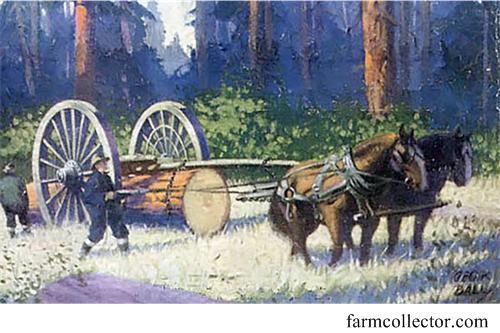
“Holmes and I were walking along a sleepy lane in Hookland, making our way back to the inn at which we had secured lodgings after scouting out the estates of the supposed major, C. L. Nolan. Up ahead, a team of horses were slowly pulling a chained tree trunk along the lane. Fortunately it had been trimmed of its branches, but it was still an imposing sight.
When we’d overtaken the thing, Holmes surprised me by turning sharply on his heel and walking back along the trunk. I stopped where I was to watch him. He continued at a steady pace until he’d passed the last of it, then reversed himself once more, and walked back to me.
‘Come along, old chap,’ he said as he walked past. Shaking my head, I duly followed.
‘It took me 140 paces to walk from the back of the tree to the front, and just twenty to walk from the front to the back,’ he declared.
‘Well of course,’ I said. ‘The tree was moving, after all.’
‘Precisely,’ he said. ‘My pace is one yard in length, so how long is that tree-trunk?’
Can you find the answer?”
Answer.
See the Tree Trunk Puzzle for solutions.

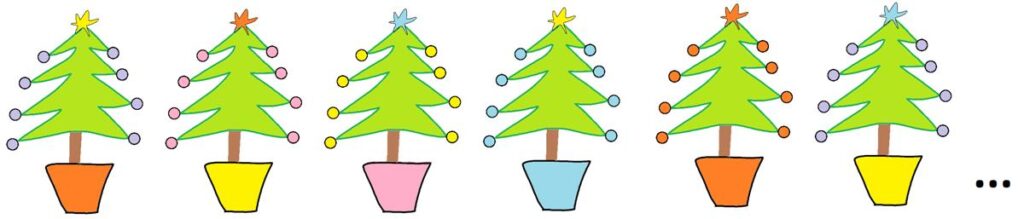
 Here is another delightful problem from the Sherlock Holmes puzzle book by Dr. Watson (aka Tim Dedopulos).
 Again we have a puzzle from the Sherlock Holmes puzzle book by Dr. Watson (aka Tim Dedopulos). This one is quite a bit more challenging, at least for me.
 Here is a collection of puzzles from the great logic puzzle master Raymond Smullyan in a “Brain Bogglers” column for the 1996 Discover magazine.
 This is another problem from the 2020 Math Calendar.
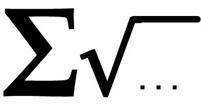 The craziness of manipulating radicals strikes again. This 2006 four-star problem from Colin Hughes at Maths Challenge is really astonishing, though it takes the right key to unlock it.
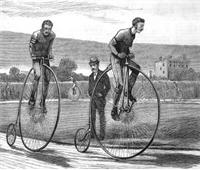 Again we have a puzzle from the Sherlock Holmes puzzle book by Dr. Watson (aka Tim Dedopulos).
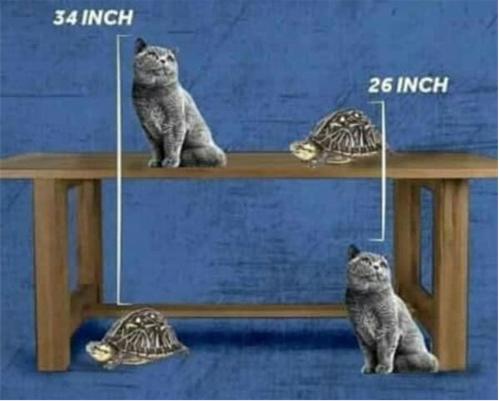 This is a cute little problem I came across via
  In looking through some old files I came across a math magazine I had bought in 1998. It was called Quantum and was published by the National Science Teachers Association in collaboration with the Russian magazine Kvant during the period 1990 to 2001 (coinciding with the Russian thaw, which in the following age of Putin seems eons ago). Fortunately, they are all online now. Besides some fascinating math articles the magazine contains a column of “Brainteasers.” Here is one of them:


