
 This is a somewhat challenging math cryptogram in a slightly different guise from the Canadian Math Society’s magazine, Crux Mathematicorum.
“But you can’t make arithmetic out of passion. Passion has no square root.” (Steve Shagan, City of Angels, G.P. Putnam’s Sons, New York, 1975, p. 16.)
On the contrary, show that in the decimal system
has a unique solution.
See the Passion Kiss Problem for solutions.
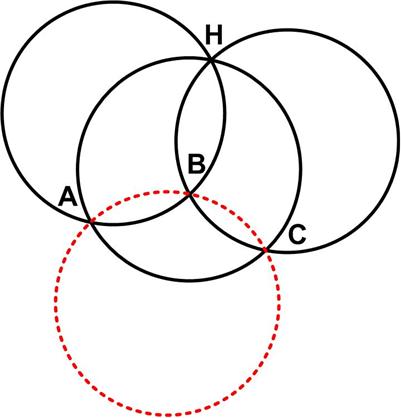 Here is a problem from the Quantum magazine, only this time from the “Challenges” section (these are expected to be a bit more difficult than the Brainteasers).
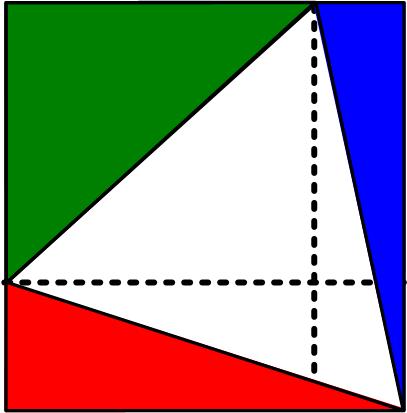 This simple-appearing problem is from the 17 August 2020 MathsMonday
 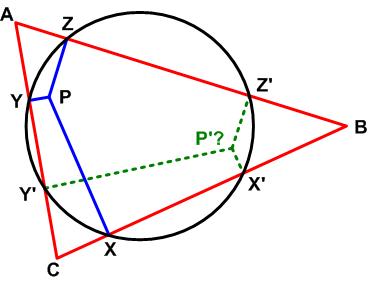 This is an interesting problem from the 1977 Canadian Math Society’s magazine, Crux Mathematicorum.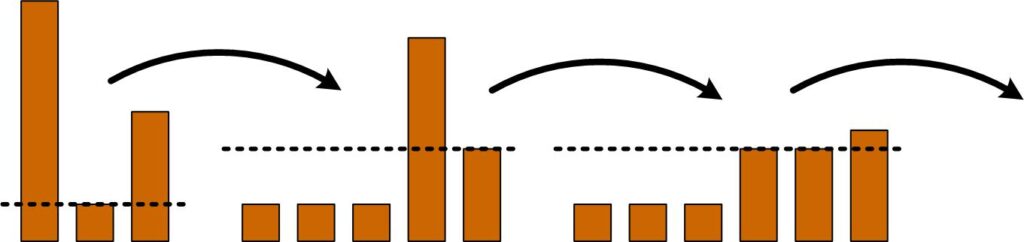
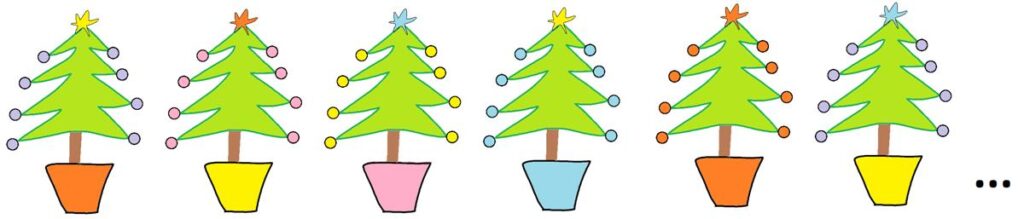
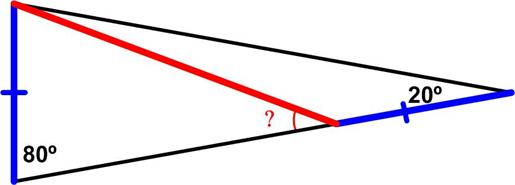 Here is yet another problem from
  Here is another delightful problem from the Sherlock Holmes puzzle book by Dr. Watson (aka Tim Dedopulos).
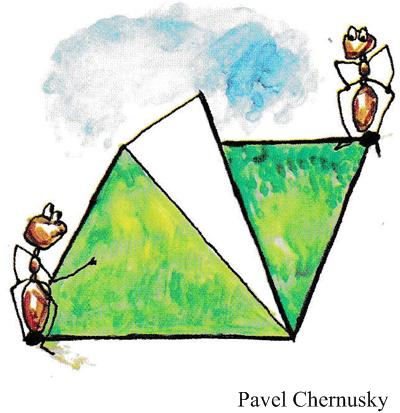 This is a nifty little problem from the Quantum math magazine.
 This is a fun logic puzzle from one of Ian Stewart’s many math collections. I discovered that the problem actually is basically one of Lewis Carroll’s examples from an 1896 book:


