
 This is a recent Alex Bellos problem that supposedly can be solved by 12-year-olds!
“Today’s problems come from Axiom Maths, a charity that that takes high-attaining primary school children and provides them with maths enrichment during secondary school.
One of Axiom’s main activities is to organise ‘maths circles’, in which small groups of pupils get together to tackle fun problems. Such as the ones below, which are aimed at children aged 11/12, and form the basis for further explorations.
Really Secret Santa
A group of nine secret agents: 001, 002, 003, 004, 005, 006, 007, 008 and 009 have organised a Secret Santa. The instructions are coded, to keep the donors secret.
- Agent 001 gives a present to the agent who gives a present to agent 002
- Agent 002 gives a present to the agent who gives a present to agent 003
- Agent 003 gives a present to the agent who gives a present to agent 004
- and so on, until
- Agent 009 gives a present to the agent who gives a present to agent 001
Which agent will agent 007 get her present from?”
See the Spy Gift Problem for solutions.
(Update 9/7/2024) Rigorous Solution Continue reading
 This is yet another simple problem from Henry Dudeney.
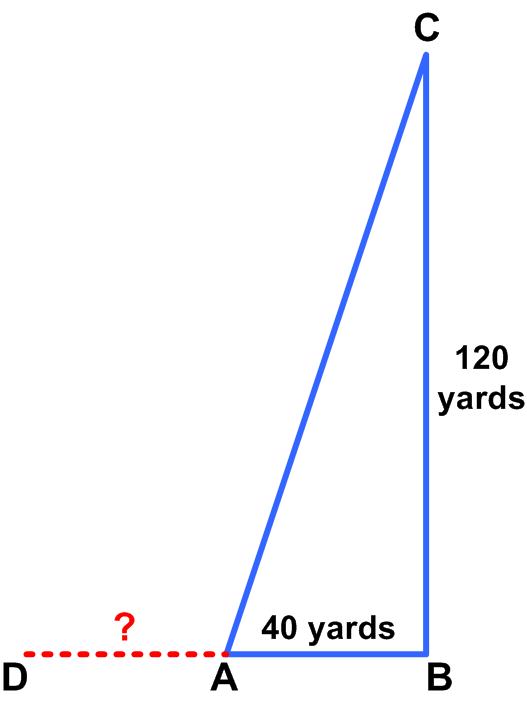 The following puzzle is from the Irishman Owen O’Shea.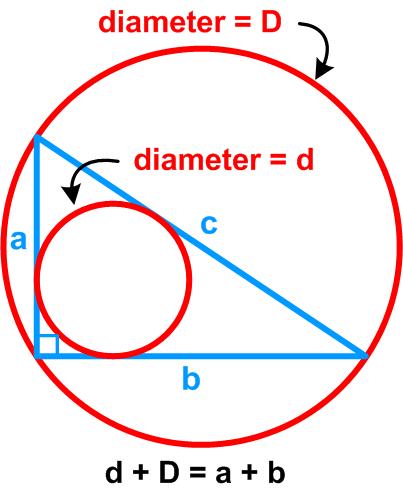
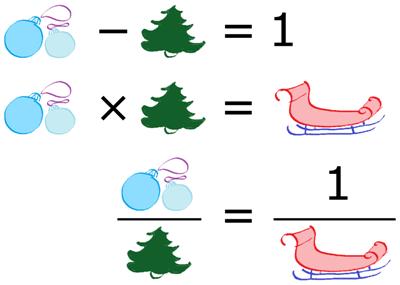 This is a slightly different mystery number puzzle from the December 2023
 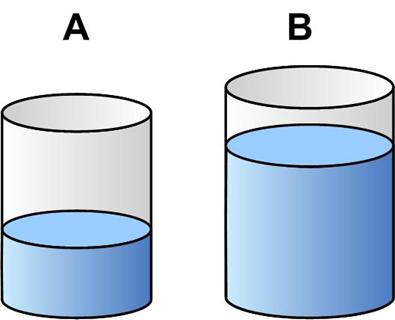 This is a slightly different type of a mixture problem from Dan Griller.
 This is another race puzzle from the Maths Masters team, Burkard Polster (aka Mathologer) and Marty Ross as part of their “Summer Quizzes” offerings for 2013.
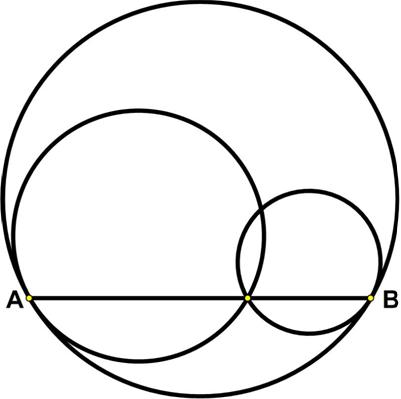 Here is another problem from the “Challenges” section of the Quantum magazine.
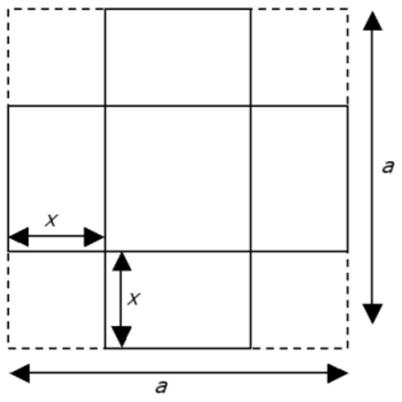 This problem is from Colin Hughes’s Maths Challenge website (mathschallenge.net).
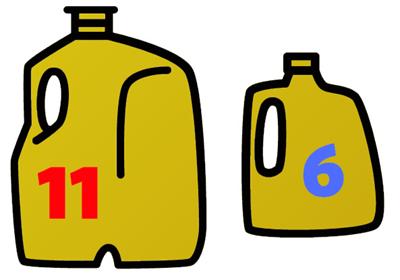 Here is another classic example of the three jug problem posed in the Mathigon Puzzle Calendars for 2017.


